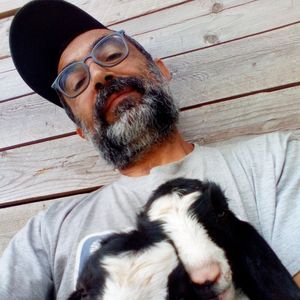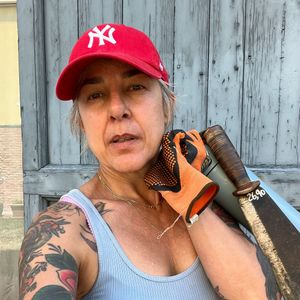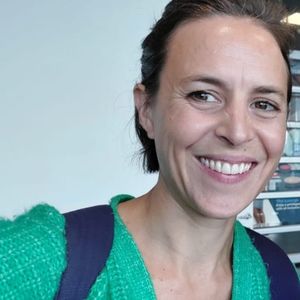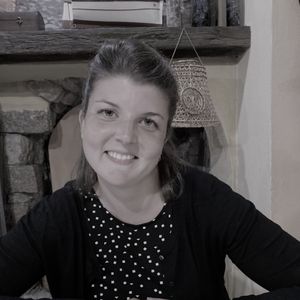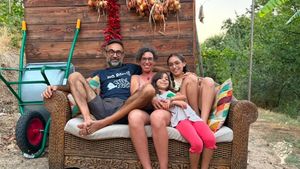


Siamo una famiglia siciliana, ci chiamiamo Manu e Vanni e abbiamo due figlie di 6 e 12 anni, Gea e Nina. Vanni, prima di diventare contadino a tempo pieno ha svolto diverse professioni, tra le ultime quella di guida ambientale escursionistica. Professione che svolge tutt'ora anche se in maniera saltuaria. Manu ha una laurea in filosofia ed è anche una mamma adorabile, una paziente contadina, una operatrice shiatsu e un insegnante di italiano per stranieri.
Il terreno di circa cinque ettari è collocato all'interno di una valle dal clima mite ed è costituito parte da macchia mediterranea e pascolo e parte piantumato ad alberi di agrumi, ulivi, carrubi e frutta di ogni tipo. Ci troviamo ai piedi del Monte Alveria, il sito archeologico dove un tempo sorgeva l'antica Noto, in posizione isolata ma ben collegata ai servizi. Siamo una piccola fattoria in cui vivono stabilmente due asine, sei capre, galline, due cani, un numero imprecisato di gatti e alcune centinaia di migliaia di api. La nostra attività principale si basa sull'apicoltura. Siamo una piccola azienda apistica e conduciamo circa 70 alveari per la produzione e la vendita di miele, polline e propoli. Alleviamo le nostre api in maniera non intensiva, in forma pressoché stanziale e pur non essendo certificati, seguiamo scrupolosamente le linee guida dell’apicoltura biologica. Autoproduciamo gran parte del nostro cibo attraverso l'orto e i prodotti di fattoria (formaggi, uova, occasionalmente carne). Produciamo olio d'oliva, facciamo il pane, il formaggio, le conserve e coltiviamo un piccolo appezzamento di terra con erbe aromatiche e officinali per la produzione di tisane, tinture, oleoliti, unguenti, creme e saponi. Sperimentiamo con successo l'indipendenza energetica attraverso un impianto fotovoltaico ad isola che alimenta la nostra piccola casa. Il riscaldamento è a legna e l'acqua ci viene fornita da una sorgente naturale presente nel terreno.
Tutto quello che si potrà apprendere o semplicemente condividere in un contesto come il nostro riguarda la gestione della fattoria in ogni suo particolare. I mesi dell’anno in cui si concentrano la maggior parte dei lavori vanno da marzo a settembre. Le attività a cui potranno partecipare i wwoofer sono varie e riguardano, in base al periodo: i lavori in apiario e quelli legati alla stagione apistica, la cura dell’orto e quella del frutteto dalla potatura alla raccolta, la trasformazione di frutta e ortaggi, la pulizia delle parti incolte del terreno e la cura del bosco, la raccolta della legna, la manutenzione delle stalle e dei recinti, la cura degli animali e la trasformazione del latte. In base al periodo in cui verrà ospitato il wwoofer saremo in grado di fornire a questi informazioni dettagliate sulle attività del momento.
Accogliamo singolo wwoofer o coppia per un periodo minimo di due settimane. Valutiamo periodi di permanenza più lunghi in base alla relazione che si riesce a stabilire. La sistemazione degli ospiti è in una roulotte con due posti letto a pochi metri da casa, fornita di elettricità e riscaldamento. Una compost tolilet esterna con doccia è ad uso esclusivo degli ospiti. I pasti saranno in condivisione e prevalentemente vegetariani ma la nostra dieta è onnivora. Parliamo in maniera più o meno accettabile l’inglese e il francese.
Le aspettative sono quelle di uno scambio reciproco, culturale e di conoscenze ma anche di un aiuto concreto nelle vicissitudini della fattoria. Il nostro impegno sarà quello di rendere piacevole e proficua l'esperienza. I volontari, durante la loro permanenza, saranno parte integrante della nostra famiglia.
Per il tempo libero i dintorni offrono l'opportunità di visitare ben tre riserve naturali nel raggio di pochi chilometri oltre che vari siti archeologici e bellissime spiagge. Se non si è auto muniti, gli spostamenti dei singoli wwoofer potrebbero risultare difficoltosi per la mancanza di servizi di trasporto pubblico nelle immediate vicinanze. Laddove possibile, gli ospiti potranno spostarsi insieme a noi per vicissitudini varie o anche per svago. Siamo a circa dieci chilometri dal mare e dieci dalla montagna. Il paese di riferimento, collegato alle principali città attraverso linea ferroviaria e bus, è Noto e dista circa 5 chilometri.
Buona vita
FREE PALESTINE
Vanni e Manu
---o----o-----0-----o----o---
We are a Sicilian family, our names are Manu and Vanni and we have two daughters aged 5 and 11, Gea and Nina. Vanni, before becoming a full-time farmer, worked in various professions, among the last ones being an environmental hiking guide. A profession that he still carries out even if occasionally. Manu has a degree in philosophy and is also a lovely mother, a patient farmer, a shiatsu operator and an Italian teacher for foreigners.
The land of about two hectares is located within a valley with a mild climate and is made up partly of Mediterranean scrub and pasture and partly planted with citrus trees, olive trees, carob trees and fruit of all kinds. We are located at the foot of Mount Alveria, the archaeological site where ancient Noto once stood, in an isolated position but well connected to services. We are a small farm where two donkeys, five goats, chickens, two dogs, an unspecified number of cats and a few hundred thousand bees live permanently. Our main activity is based on beekeeping. We are a small beekeeping company and we run about 70 hives for the production and sale of honey, pollen and propolis. We raise our bees in a non-intensive way, in an almost sedentary way and although we are not certified, we scrupulously follow the guidelines of organic beekeeping. We self-produce much of our food through the garden and farm products (cheese, eggs, occasionally meat). We produce olive oil, make bread, cheese, preserves and cultivate a small plot of land with aromatic and medicinal herbs for the production of herbal teas, tinctures, oleolites, ointments, creams and soaps. We successfully experiment with energy independence through an isolated photovoltaic system that powers our small house. The heating is wood and the water is supplied to us by a natural spring present in the ground.
Everything that can be learned or simply shared in a context like ours concerns the management of the farm in every detail. The months of the year in which most of the work is concentrated are from March to September. The activities in which wwoofers can participate are varied and concern, based on the period: work in the apiary and those related to the beekeeping season, care of the vegetable garden and that of the orchard from pruning to harvesting, the processing of fruit and vegetables, cleaning of the uncultivated parts of the land and care of the forest, collection of wood, maintenance of the stables and fences, care of the animals and the processing of milk. Based on the period in which the wwoofer will be hosted, we will be able to provide them with detailed information on the activities of the moment.
We welcome single wwoofers or couples for a minimum period of two weeks. We evaluate longer periods of stay based on the relationship that can be established. The accommodation of the guests is in a caravan with two beds a few meters from the house, equipped with electricity and heating. An external compost tolilet with shower is for the exclusive use of guests. Meals will be shared and mainly vegetarian but our diet is omnivorous. We speak English and French in a more or less acceptable way.
The expectations are those of a mutual exchange, cultural and knowledge but also of concrete help in the vicissitudes of the farm. Our commitment will be to make the experience pleasant and profitable. The volunteers, during their stay, will be an integral part of our family.
For free time, the surroundings offer the opportunity to visit three nature reserves within a few kilometers as well as various archaeological sites and beautiful beaches. From our house you can walk to quickly reach rivers and places of particular beauty. We are about ten kilometers from the sea and ten from the mountains. The reference town, connected to the main cities by train and bus, is Noto and is about 5 kilometers away.
Good life
FREE PALESTINE
Vanni and Manu
Read more
Learning opportunities
Vegetable farming
Fruit or nut farming
Poultry farming
Horse or donkey farming
Sheep or goat farming
Dairy farming
Beekeeping
Aromatic or medicinal plants, teas
Cheesemaking
Bakery
Methods or systems
Biological pest control
Regenerative agriculture
Host type
Self-sufficiency property
2
Hectares
|
4.9
Acres